January 19th, 2026
news
2026 marks the rise of electric power at sea
Offshore charging is poised to transform how ships operate in wind farms, unlocking new efficiency and greenhouse gas (GHG) emissions reductions at sea.
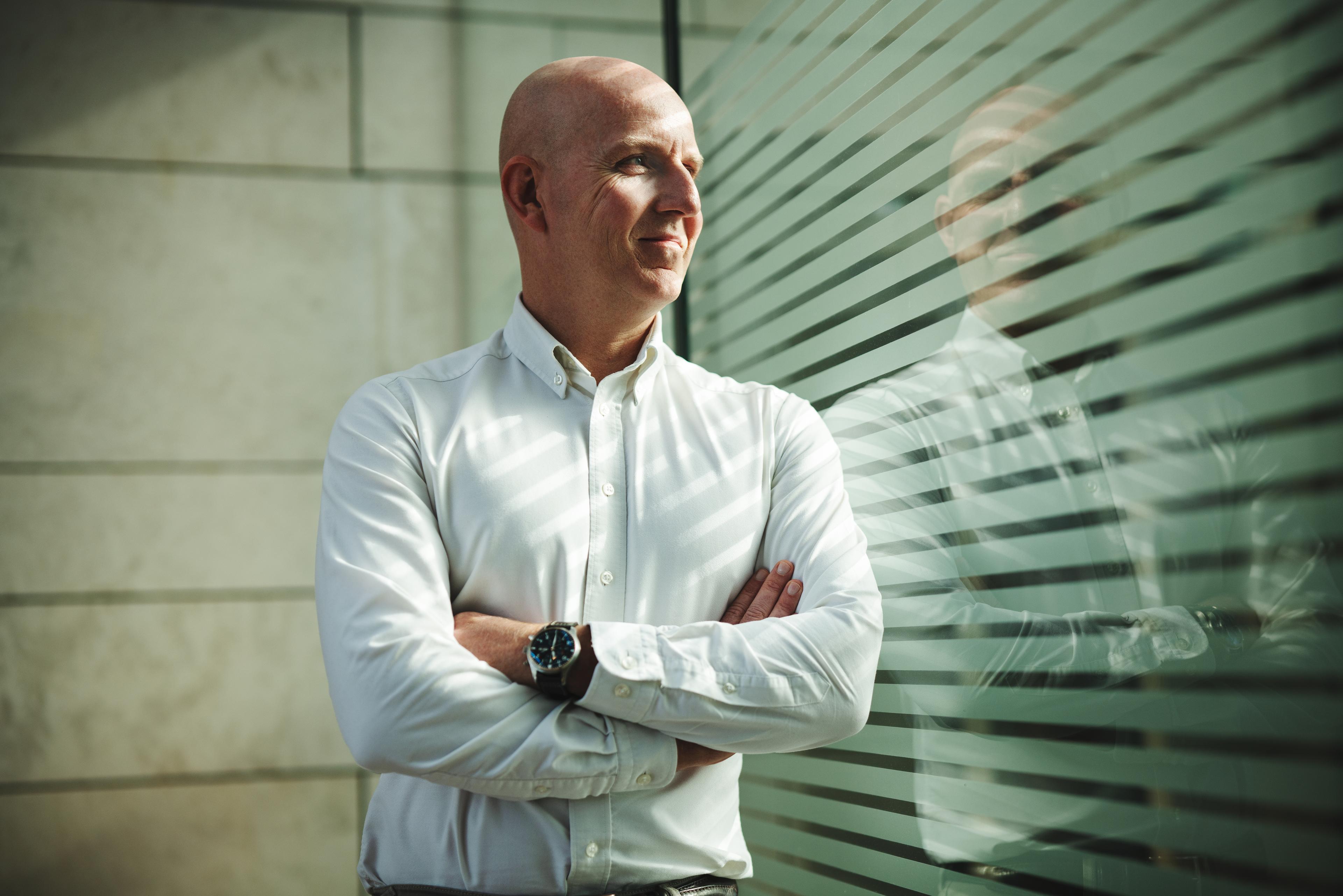
In this article, Kristian Borum Jørgensen, CEO of Stillstrom, explains why 2026 could be a turning point for the sector, and how technological, operational and regulatory progress is bringing reliable offshore charging within reach.
Offshore wind is entering a pivotal moment. Vessels remain the largest source of GHG emissions in the supply chain, and as hybrid and battery-powered ships enter the market, the opportunities for offshore charging are becoming increasingly clear. 2026 is shaping up as a breakthrough year because, for the first time, offshore charging is moving from demonstration to operational reality - and Stillstrom by Maersk is at the forefront.
This progress has been the result of years of focused effort. Over the past 12 months, Stillstrom has achieved key technical and regulatory milestones that move offshore charging firmly into the commercially viable space. Most notably DNV has approved stage two of a three-step technical qualification plan, confirming that our eCharger hang-off system for fixed offshore wind structure is validated and ready for deployment. With this latest certification, we are a significant step closer to having a fully certified solution with safety systems and operational procedures proven under rigorous testing, supported by robust international quality and environmental standards.
Alongside this, we have deepened engagement across the value chain: we are in active dialogues with major global wind farm developers about integrating our system into future projects, and we have signed partnership and compatibility documentation with leading global service operations vessel (SOV) owner-operators. These developments confirm both technical readiness and operational alignment with the market.
The first real-world demonstration of this progress will take place this month (January), when a full vessel test will take place . This trial will be carried out on the back of several connection and safety tests and is more than just a showcase. It will illustrate that charging ships at sea can operate reliably at scale, providing operators, regulators and developers with the confidence needed to move beyond the pilot phase. It also represents the culmination of a structured DNV validation and ISO certification programme that has tested the system under varied operational scenarios, ensuring it performs safely in real-world conditions.
Partnerships and real-word projects
Stillstrom’s impact extends beyond testing. Collaborative projects in 2025 included a study with the Panama Canal Authority, exploring emissions reductions in one of the world’s busiest shipping waterways. We are also currently participating as part of one of only three consortia in the Rijkswaterstaat Power2Tow tender process, where we are demonstrating the integration of our offshore charging system on paper as part of the submission, validating confidence in the maturity of our technology. For this initiative we hope to be selected to deploy multiple offshore charging systems, proving large-scale feasibility and creating a replicable model for European waters. These partnerships, supported by sustained engagement with developers and vessel operators across multiple regions, show that market interest is broad, practical and increasingly focused on deployment.
Aligned to the last 12 months’ achievements and what the future next holds, our organisational capability has also strengthened. Strategic hires in Copenhagen and Aberdeen have taken our workforce to 30 dedicated offshore charging specialists, bolstering commercial, operational and technical capacity. Expanded legal and regulatory, commercial and O&M functions now provide a robust foundation for supporting our clients in their adoption of offshore charging. Multiple patents filed last year protect key charging and safety system innovations, while connector manufacturing is well under way, moving the technology closer to full commercial rollout. Interest from early adopters integrating these solutions into upcoming offshore wind projects continues to build, reinforcing the commercial momentum behind offshore charging.
Why persistence matters
Years of testing, refining and close alignment with vessel operators and developers are now translating into real momentum. The convergence of a ready technology, new battery driven ships entering the maritime sector, and growing operational and environmental pressures creates a unique window for adoption. Crucially, last year has underscored that offshore charging succeeds only when it integrates seamlessly with ships, wind farm operations and port infrastructure. Building this ecosystem has been a decisive factor in our progress and is one of the reasons Stillstrom was recently shortlisted in the prestigious Capgemini Nordic Sustainability Tech Awards. I’m continually very proud of our team and all their achievements.
The industry now has a clear opportunity: the technology is proven, vessels are arriving, and the operational, environmental and economic benefits are established. For developers, ship operators and other stakeholders, 2026 is the moment to embed offshore charging into their operational planning, ensuring early adoption translates into tangible impact. For Stillstrom and the sector, the year ahead offers the chance to move beyond promise and pilot, and deliver a practical, scalable solution for decarbonising maritime operations – the moment to seize offshore charging has arrived.
About Stillstrom by Maersk
Stillstrom by Maersk is dedicated to decarbonise the maritime sector with offshore charging technologies, providing innovative solutions to reduce emissions and enhance the sustainability of maritime operations.
Media Enquiries
For media enquiries please contact:
Sine Brandt
Head of Marketing & Communications at Stillstrom by Maersk