March 25th, 2026
news
Powering offshore change with HVOC standardisation
Powering offshore change with HVOC standardisation
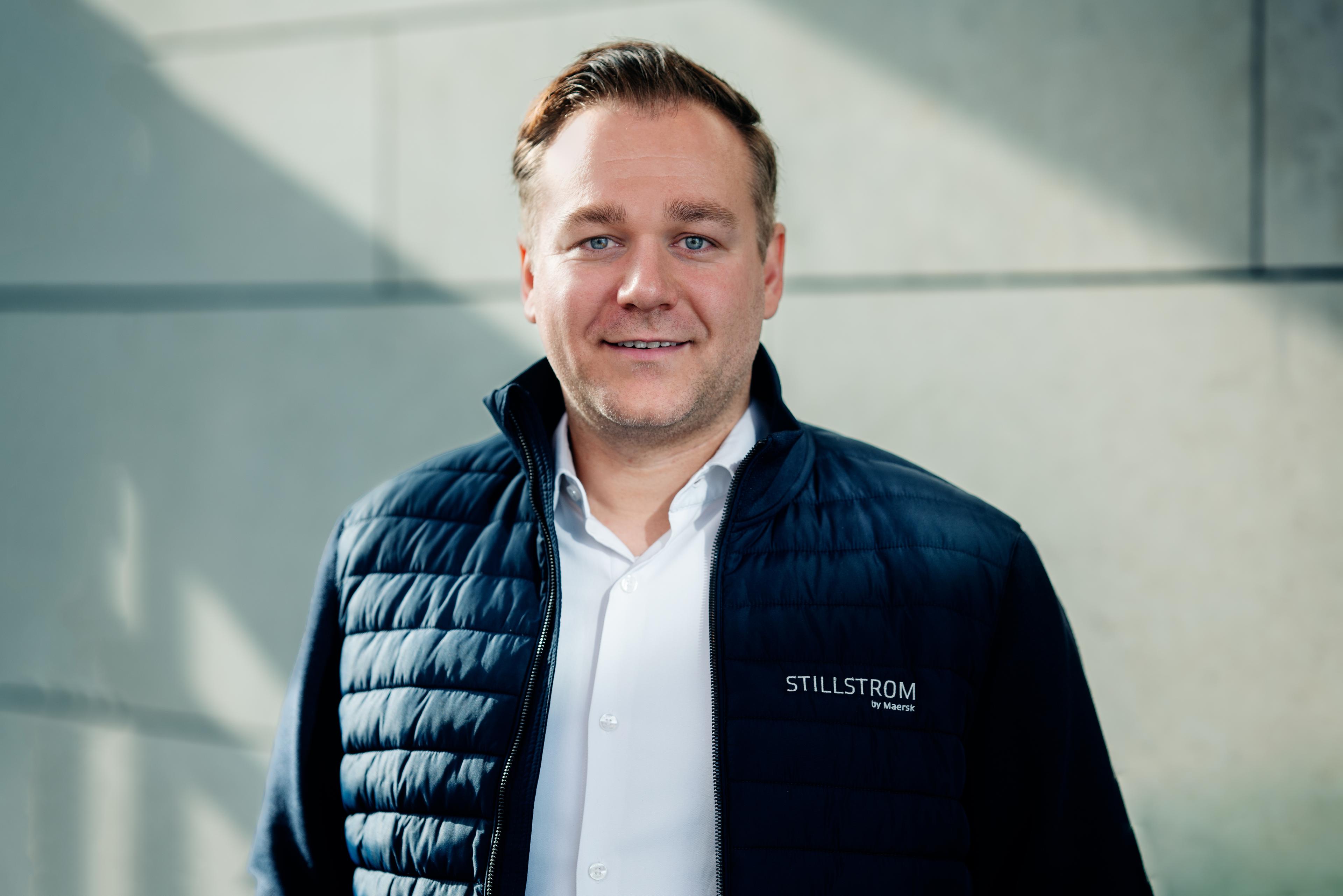
By Shaun Blyde, Electrical Engineering Manager at Stillstrom
When the offshore industry talks about electrification, the conversation often circles around ambition: fewer emissions, smarter vessels, decarbonised operations. But ambition alone doesn’t plug a vessel into power at sea. That takes standards, collaboration and a willingness to adopt the technology.
That’s exactly the purpose of the recently launched High Voltage Offshore Connection (HVOC) systems whitepaper. It aims to move the conversation around electrification from aspiration to application. The development of the study was led by the Norwegian Electrotechnical Committee (NEK), in collaboration with Stillstrom, Maritime CleanTech and Kongsberg Maritime.
Developing HVOC guidelines
The ultimate aim of the HVOC whitepaper is to reduce uncertainty for vessel owners and operators and make integration far simpler. Standardised interfaces allow more vessels to use the same offshore charging points, which improves utilisation and lowers technology risk and cost across the industry. Taken together, these effects make it easier for operators to shift to hybrid and electric ships that can rely on electric offshore power instead of fuels like diesel, which ultimately supports a faster reduction in maritime emissions.
The study explores the functional and safety requirements needed for ships and assets to connect to power offshore consistently and at high voltage. These standardisation efforts will play a crucial role in ensuring that vessels and offshore installations can connect safely, efficiently and reliably.
As a business working in the offshore electrification space, our role in the development of the report was to ensure it reflects operational reality. That meant grounding the recommendations in how vessels actually connect offshore, how crews operate and how equipment behaves in tough marine conditions. We also ensured that the proposed HVOC guidelines aligned with the products that Stillstrom and other suppliers are bringing to market.
Why standardisation matters to Stillstrom’s long-term vision
The core message I hope readers take from the whitepaper is that standardisation is essential if offshore electrification is going to move beyond bespoke, project-specific solutions.
For us at Stillstrom, standardisation is central to our long-term mission of making offshore power transfer an industry norm and an everyday part of vessel and wind farm operations.
A shared international framework means:
· Offshore charging becomes predictable across regions
· Ship designers can build to common requirements
· Operators gain confidence in compatibility
· The market opens up beyond one-off pilot projects
If more service vessels are built around a standard solution, the fleet grows. And when the fleet grows, the market for offshore power transfer becomes broader and more accessible. That’s how you move from early adopters to industry-wide transformation.
What happens next?
Stillstrom’s next step is to help translate the HVOC guidance into a full international standard within the IEC 80005 series, which provides international best practice for shore-to-ship power connection systems. This requires active participation in the relevant IEC working groups and demonstration of compliant systems in real offshore projects, helping to de-risk early adoption.
The HVOC guidelines provide the common foundation that the industry has been calling for. With a published, collaborative framework in place, wind farm developers and ship owner-operators aiming to decarbonise their operations can move forward with greater confidence.
The message to the sector is therefore simple. Incorporate these requirements into new build and retrofit vessel designs now. Don’t wait. The more stakeholders align early, the faster HVOC can become a world-class industry standard rather than the exception.
For those who want to dive deeper into the whitepaper, more details are available via NEK’s official announcement: Driving Safe and Sustainable Offshore Operations - NEK Advances Standardisation of High Voltage Offshore Connection (HVOC) Systems - Norsk Elektroteknisk Komite (NEK).
About Stillstrom by Maersk
Stillstrom by Maersk is at the forefront of decarbonising the maritime sector with its pioneering offshore power and charging solutions. The company’s mission is to reduce vessel emissions, the largest source of CO₂ in the offshore wind supply chain. Its integrated charging systems enable hybrid and electric vessels to plug into low-emissions electricity while offshore.
Owned by Maersk, the business was founded in 2019 as an innovation project and became an independent company in 2022. The company employs more than 30 people at its headquarters in Copenhagen (Denmark) and Aberdeen (UK).
Media Enquiries
Issued by BIG Partnership on behalf of Stillstrom.